Source Adjustable Calf Stretcher Slant Board for Home Gym
Find and compare 30 adjustable calf stretcher slant board options from verified manufacturers. Evaluate specifications like size, material, and customization for home gyms, professional training, and sports performance applications; compare the available evidence and request quotations based on your requirements.
Key considerations
Products List


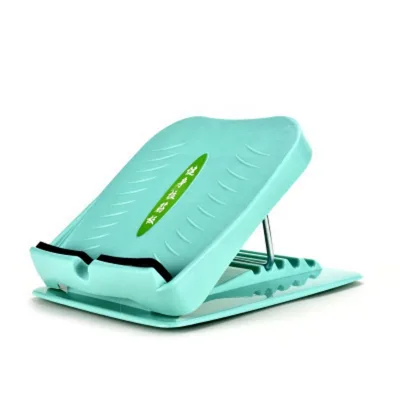
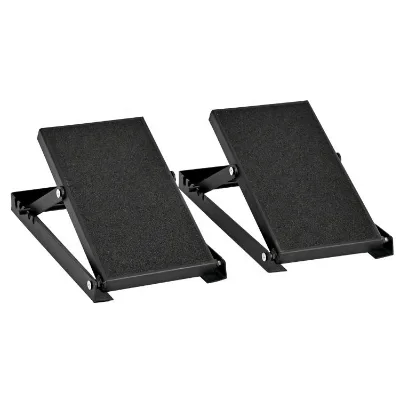
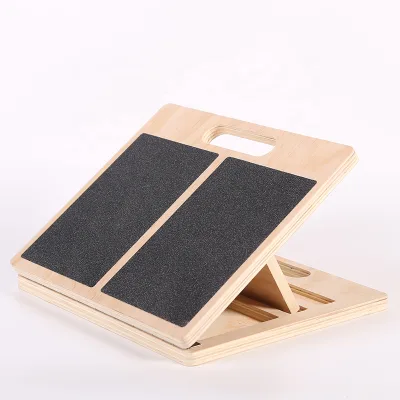
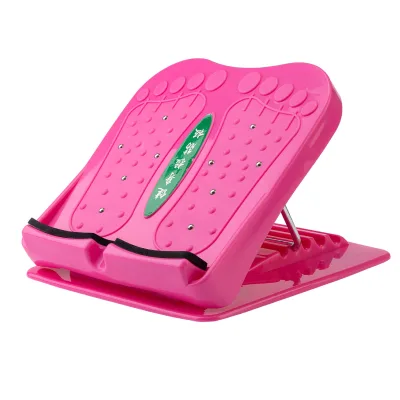


Comprehensive Sourcing Guide
Adjustable Calf Stretcher Slant Board Sourcing Guide
Procurement of adjustable calf stretcher slant boards requires careful evaluation of product attributes to ensure they meet specific training needs. The observed market data indicates a diverse range of models, such as the BP-AB375 and WSB-1000, which cater to both home and professional gymnasium environments. Buyers must distinguish between units designed for general bodybuilding fitness and those intended for specialized sports performance training.
The available inventory highlights significant variation in physical dimensions and material finishes, ranging from solid black finishes to natural wooden colors. While some listings specify exact folded dimensions like 2731cm, others offer larger configurations up to 4640*17cm. Sourcing decisions should prioritize verifying the exact size requirements against the intended application space to ensure the equipment fits the designated area without compromising safety or usability.
Product Scope and Observed Listing Signals
The current market offers slant boards with distinct customization options, including OEM logos and tailored dimensions to suit specific branding or functional needs. Buyers should note that while some models are listed as "Customized," others are available with standard "Customized Logo Available" features, requiring clear communication to align expectations with supplier capabilities. This variability necessitates a detailed review of the product description to confirm if the unit is truly adjustable or fixed in its configuration.
Listing signals also reveal a wide spectrum of minimum order quantities, ranging from 20 pieces to 500 pieces depending on the specific model and supplier terms. This disparity directly impacts the initial capital outlay and inventory strategy for buyers entering the market. Understanding these thresholds is critical for small retailers versus large distributors, as the 20-piece entry point allows for lower-risk testing while higher volumes may unlock better unit economics.
Technical Specifications to Verify
Dimensional accuracy is paramount when selecting a slant board, as the listed standards vary significantly from compact 3116.220.8cm units to larger 4215.431.3cm configurations. Buyers must verify that the specified standard dimensions match the physical product received, particularly for models like BP-AB371 which offer both common and large size options. Ensuring the correct footprint is essential for stability during intense stretching exercises and to prevent equipment failure under load.
Weight and material composition are equally critical technical factors, with some units weighing approximately 3kg while others utilize durable, anti-slip materials for enhanced safety. The product attributes indicate a focus on durability and suitability for both indoor and outdoor applications, suggesting robust construction is a key differentiator. Procurement teams should request detailed material specifications to confirm the board can withstand repeated use in high-traffic fitness environments without degradation.
Compliance and Safety Documentation
Safety certifications such as CE, RoHS, and ISO are frequently cited in product listings, serving as essential indicators of regulatory compliance for international markets. Buyers must verify that the specific model they intend to purchase carries these certifications, as they validate that the product meets established safety and environmental standards. Relying on general claims without specific documentation for the ordered batch can expose the buyer to significant liability risks in regulated regions.
Beyond certifications, the condition of the product is consistently listed as "New," which implies that the equipment should arrive without prior wear or damage. However, buyers should ensure that the packaging, often described as Polybag+Carton+Wooden Case, provides adequate protection during transit to maintain this new condition. Proper packaging verification is a crucial step in the quality assurance process to prevent damage that could render the equipment unsafe for use.
Cost Drivers and Commercial Terms
Pricing in this category fluctuates based on the complexity of customization and the specific model selected, with observed ranges spanning from 2.5 to 17 USD per unit. The cost is heavily influenced by the minimum order quantity, where lower MOQs like 20 pieces may carry a higher per-unit cost compared to bulk orders of 200 or 500 pieces. Buyers need to calculate the total landed cost, including shipping and duties, to determine the true economic viability of different supplier offers.
Lead times and sample availability are also significant commercial factors, with sample times typically ranging from 5 to 7 working days. The FOB ports of Nantong and Shanghai are standard, but buyers must confirm the exact shipping terms and potential delays associated with specific logistics providers. Understanding these timelines is vital for inventory planning, especially when coordinating the arrival of goods with marketing campaigns or seasonal fitness demands.
Supplier Qualification and Quality Control
Supplier qualification should focus on their ability to deliver consistent quality across different product models, such as the MS-TB003 and MS-BB004 series. Buyers must assess the supplier's track record in handling customized orders, as the availability of OEM logos and tailored sizes requires precise manufacturing control. A supplier's capacity to maintain the "Durable/Anti-Slip" features across all units is a key indicator of their overall quality management system.
Quality control protocols must be established to verify that the final product matches the agreed-upon specifications, including the "Wooden Color" or "Solid Color" finishes. Inspections should confirm that the folding mechanisms, where applicable, operate smoothly and that the surface texture provides the necessary grip for exercise and stretching. Implementing a rigorous pre-shipment inspection process ensures that the equipment meets the high standards required for professional training and home fitness applications.
Long-Term Procurement Checks
Sustainable procurement practices require ongoing monitoring of supplier performance to ensure consistent delivery of high-quality slant boards over time. Buyers should establish clear communication channels to address any recurring issues with product dimensions or material durability that may arise after the initial order. Regular feedback loops help maintain the integrity of the supply chain and ensure that the equipment continues to meet the evolving needs of fitness professionals and consumers.
Future procurement strategies should also account for potential changes in product standards and market demands, such as new safety regulations or emerging fitness trends. Maintaining a relationship with suppliers who offer flexible customization options allows buyers to adapt their product lines quickly without significant disruption. This agility is essential for staying competitive in the dynamic fitness equipment market while ensuring that all products remain safe and effective for end-users.
FAQs
What sizes are available for the adjustable calf stretcher slant board?
Listed models come in several sizes, including 41*32*15cm common size, 46*40*17cm large size, 27*31cm, 40*30*4cm, and 42*15.4*31.3cm. Customized sizes are also available from some listings, so buyers can request specific dimensions. Confirm the exact model number and size specification with the supplier before ordering, since measurements vary by model such as BP-AB371 or WSB-1000.
Can I order a custom logo on the adjustable calf stretcher slant board?
Yes, customized logo options are available across the listings. Suppliers accept OEM logos or buyer-supplied artwork, and customization is generally supported for branding. Sample time is typically 5-7 working days, so factor that into your launch schedule. Provide clear artwork files and confirm logo placement, printing method, and any additional cost with the supplier before confirming your production order.
What is the minimum order quantity for a calf stretcher slant board?
Minimum order quantities vary by model, with listed MOQs ranging from 20 pieces to 200 pieces, and one listing stating 50 PCS. The exact MOQ depends on the model, size, and customization level you choose. If you need a smaller trial order, ask suppliers whether they can accommodate it, as some may be flexible for first-time buyers or sample evaluation purposes.
How is the adjustable calf stretcher slant board packed for shipping?
Packing options vary by model: some products ship in polybag plus carton, others use polybag, carton, and wooden case, and one listing specifies carton packing. Wooden case packing offers extra protection for heavier or bulk shipments. Confirm the packing method for your chosen model, since export shipping durability matters, and ask whether packing can be adjusted to meet your distribution or retail requirements.
Which certifications do the slant board suppliers hold?
Listed certifications include CE, RoHS, and ISO. These cover product safety compliance and quality management systems, which many buyers require for retail or gym distribution. Certification coverage can differ by product and model, so verify which certificates apply to the specific adjustable calf stretcher slant board you intend to order and request copies of valid certificates directly from the supplier before committing.
Where do the slant boards ship from and what are the FOB terms?
Products originate from China, with FOB ports listed as Nantong Port and Shanghai Port. Buyers typically arrange their own freight from these ports under FOB terms. Sample time is 5-7 working days, while bulk production lead times should be confirmed per order. Ask your forwarder to quote shipping from both ports, as costs and sailings can differ depending on your destination and season.